
 English




Comfortable Styles
Layering 101 for Women: Staying Stylish and Comfortable
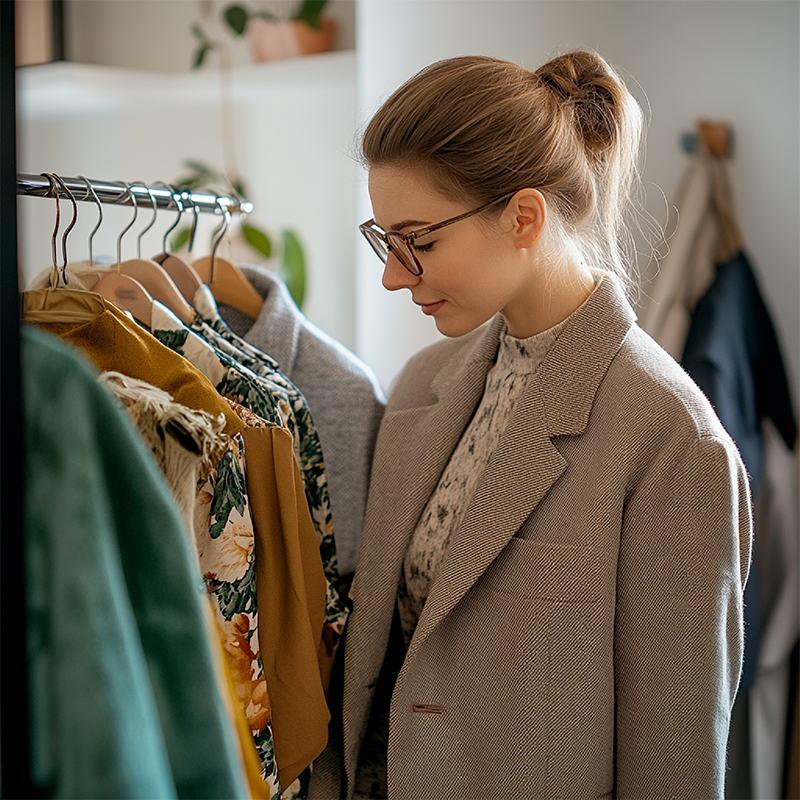
Layering is one of the most effective ways for women to create versatile, stylish outfits that adapt to changing weather, different occasions, and varied moods. When done thoughtfully, layering allows for combinations that are both visually appealing and comfortable. The key lies in understanding how to balance fabrics, colors, patterns, and proportions, ensuring each outfit feels cohesive and intentional.
The foundation of successful layering begins with basic pieces. Tops, simple dresses, and lightweight bottoms act as anchors that can be built upon. Neutral tones provide a reliable base, allowing additional layers in complementary colors or subtle patterns to shine. Starting with a strong foundation ensures that even multiple layers appear polished rather than cluttered.
Choosing the right fabrics is crucial for comfort and style. Lightweight materials like cotton, linen, or soft knits work well as base layers because they provide breathability and flexibility. Structured fabrics such as tailored jackets or coats create contrast and dimension, elevating simple outfits. Mixing textures thoughtfully adds depth without overwhelming the overall look, making layering both practical and fashionable.
Color coordination is another essential factor. Stick to a cohesive palette of two to three main tones, supported by complementary shades. Neutral tones such as white, gray, beige, or muted pastels provide a versatile backdrop, while richer hues or subtle patterns can be used strategically to add interest. Thoughtful color selection ensures that layers enhance one another rather than clash, creating harmony across the entire outfit.
Patterned layers can elevate an outfit when used sparingly. Subtle stripes, checks, or tonal designs add sophistication without dominating the look. Pairing patterns with solid pieces maintains balance, while layering patterns of different scales creates depth and visual intrigue. Avoid overcomplicating combinations, as simplicity often produces the most polished results.
Proportion plays a critical role in layering. Combining fitted and flowing garments maintains a flattering silhouette. For instance, a slim top under a relaxed outer layer or a structured piece over a soft dress creates harmony and elegance. Understanding how each layer interacts with your shape ensures that the overall outfit appears deliberate and refined.
Layering also allows for practical adaptability. A lightweight top beneath a longer cardigan or a cropped jacket over a dress provides warmth while offering styling versatility. This approach ensures outfits remain functional for different settings, from casual outings to semi-formal occasions. Layers can be added or removed as needed, making your wardrobe responsive to both comfort and style.
Statement outer layers can transform an outfit effortlessly. A tailored coat, textured jacket, or elegant wrap adds sophistication while complementing the underlying garments. These pieces act as focal points without requiring additional elements, proving that simple layering can produce remarkable visual impact. Selecting outer layers that harmonize with the rest of your wardrobe maximizes versatility.
Attention to detail enhances layered looks. Clean lines, crisp hems, and subtle design features contribute to a polished appearance. Small choices, such as adjusting the length of a jacket or ensuring that collars and cuffs align neatly, make a significant difference. Even minimal adjustments help the ensemble feel intentional and refined.
Confidence and comfort are just as important as the clothing itself. When layers fit well and move naturally, they feel effortless to wear. Carrying an outfit with poise allows even complex layering combinations to appear stylish and composed. Your comfort and confidence elevate the overall effect of each ensemble.
Simplicity remains a guiding principle in layering. Focus on a few versatile pieces rather than overcrowding outfits with multiple layers. Carefully chosen garments with complementary colors, textures, and patterns achieve the desired aesthetic without sacrificing practicality. Each layer should serve a purpose, contributing to both style and comfort.
In summary, layering for women is an essential skill that combines functionality with fashion. By starting with strong foundations, mixing fabrics and textures, coordinating colors, balancing proportions, and adding statement outer layers, you can create outfits that are stylish, adaptable, and comfortable. Mastering these principles allows layering to enhance your wardrobe, turning even basic pieces into a polished and thoughtfully composed collection.
Categories
-
 Women
65
Women
65
-
 Bottom Wear
59
Bottom Wear
59
-
 Western Wear
39
Western Wear
39
-
 Maternity Wear
10
Maternity Wear
10
-
 Women's Inners
50
Women's Inners
50
-
 Men's
68
Men's
68
-
 Men Traditional Wear
20
Men Traditional Wear
20
-
 Men Western Wear
30
Men Western Wear
30
-
 Men Inners
48
Men Inners
48
Trending Now
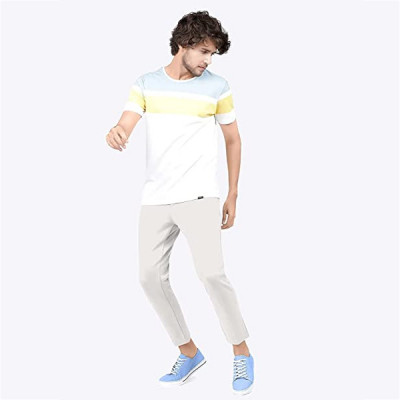
Men's Slim Fit Formal Trousers/Pant
Rs.543.00
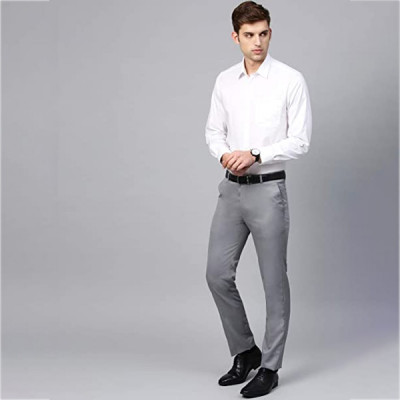
Men's Slim Fit Formal Trousers
Rs.707.00
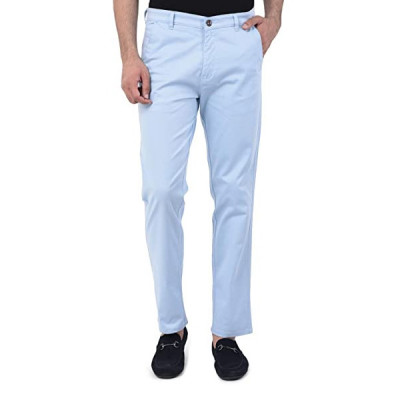
Men's Regular Fit Pants
Rs.544.00
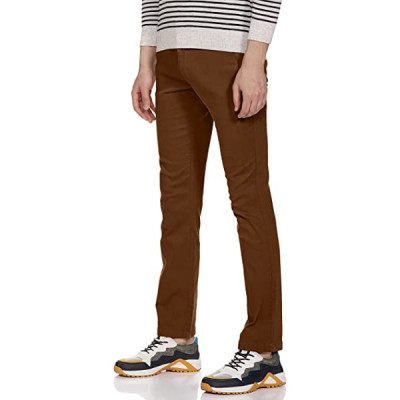
Men's Slim Casual Trouser
Rs.800.00